Best Practices for Designing Responsive HTML Email Templates
Master responsive email design with these essential best practices. Learn how to create templates that look perfect on any device and avoid common pitfalls.
Posted by
 Cory Trimm
Related reading
Email Components: Build Better Emails Faster
What email components are, why modular email design saves time, and how the EmailBits free component library works. With real examples of reusable email sections.
Welcome Email Templates: Examples & Best Practices
Free welcome email templates for SaaS, e-commerce, and newsletters. Plus best practices for subject lines, timing, and what every welcome email needs to include.
E-commerce Email Templates: Free Examples for Every Flow
Free HTML email templates for e-commerce — cart abandonment, order confirmations, shipping updates, win-back campaigns, and promotional emails. Copy-paste ready.
Importance of Responsive Design for Mobile Users
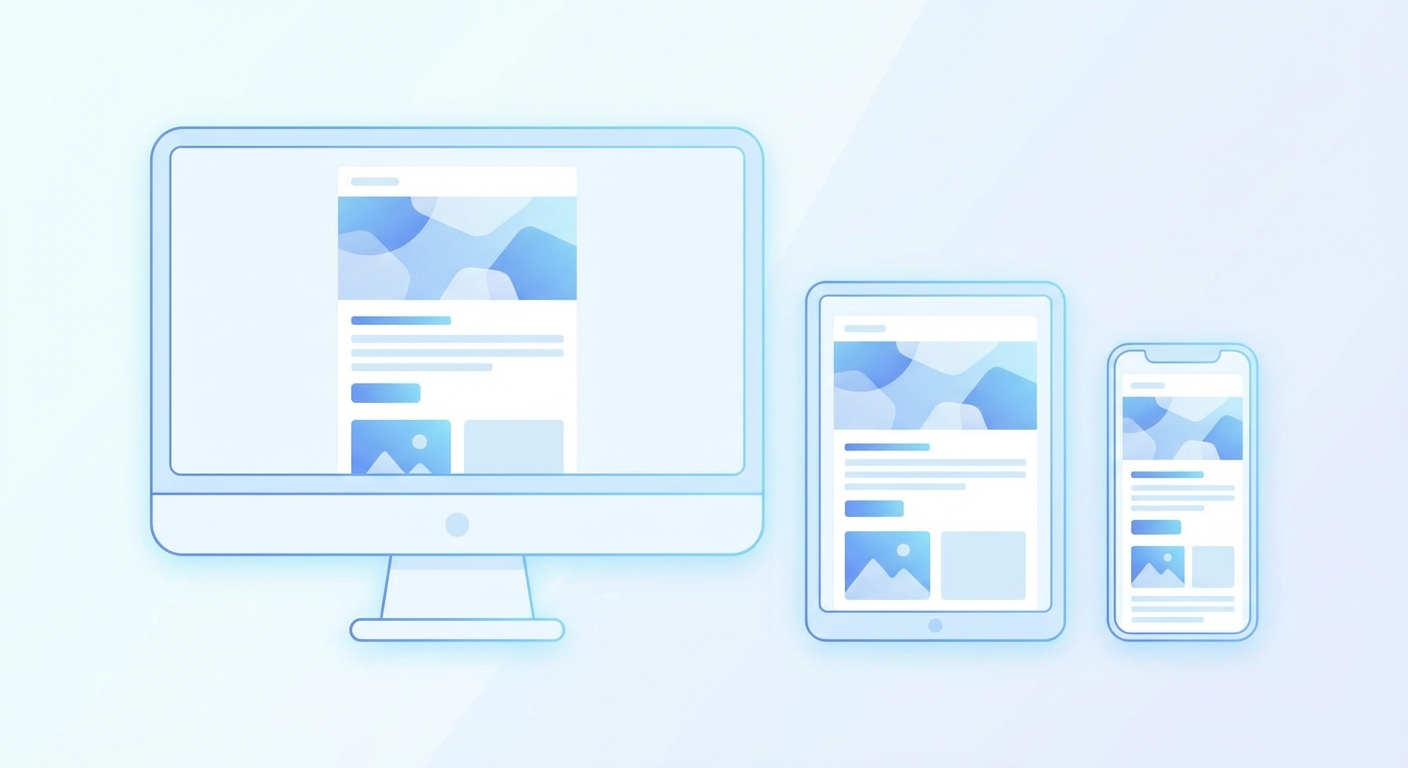
According to Litmus research, over 40% of emails are opened on mobile devices, with this number continuing to grow. Responsive design isn't optional—it's essential. Mobile users scan quickly, have limited attention spans, and will delete emails that don't display properly.
Non-responsive emails lead to significantly higher unsubscribe rates and lower engagement. Well-designed responsive emails consistently outperform their non-responsive counterparts across all engagement metrics.
How to Create Responsive Email Templates Using Email Bits
Email Bits makes responsive design straightforward with its mobile-first approach:
- All templates start with a responsive foundation
- Automatic column stacking on smaller screens
- Fluid images that scale with container width
- Touch-friendly button sizes (minimum 44px height)
- Optimized font sizes for mobile readability
Start with the mobile view and work up to desktop. This ensures your core message is clear even on the smallest screens.
Common Pitfalls to Avoid in Responsive Email Design
1. Fixed Width Elements
Avoid setting fixed widths in pixels for main containers. Use percentages or max-width properties to ensure flexibility across different screen sizes.
2. Tiny Touch Targets
Buttons and links should be at least 44px in height and have adequate spacing around them. Small touch targets lead to frustrated users and lower conversion rates.
3. Overwhelming Content
Mobile screens have limited real estate. Prioritize your most important message and use progressive disclosure to reveal additional information.
4. Complex Layouts
Multi-column layouts that work on desktop often become unreadable on mobile. Design with a single-column mobile approach and enhance for larger screens.
5. Ignoring Email Client Quirks
Different email clients render HTML differently. Outlook, Gmail, and Apple Mail each have unique limitations. Test thoroughly and have fallbacks for unsupported features.
Pro Tips for Mobile-First Email Design
- Use a 16px minimum font size for body text
- Increase line height to 1.4 or higher for better readability
- Use sufficient color contrast (4.5:1 ratio minimum)
- Keep subject lines under 30 characters for mobile preview
- Use generous padding and margins (at least 10px on mobile)